
Why luck matters: The role of chance in gambling
The Nature of Luck in Gambling
Luck is an intrinsic element in gambling that shapes the outcomes of various games and activities. Gamblers often enter casinos or online gaming platforms with the hope that fortune will favor them, especially when engaging with australian online casino experiences that are designed to entertain. Unlike skill-based activities, which rely on strategy and expertise, gambling is heavily influenced by random chance. Understanding the unpredictable nature of luck can help individuals manage their expectations and approach betting with a balanced mindset. The very essence of gambling lies in this unpredictability, as players find themselves at the mercy of fortune’s whims.
The concept of luck can evoke a range of feelings in players, from excitement and anticipation to frustration and despair. A player may feel elated after hitting a jackpot purely by chance, while another may leave the table feeling disappointed after a series of losses that were beyond their control. This duality of experience emphasizes the importance of luck, as it can make or break an individual’s gaming session in an instant. Embracing this uncertainty is crucial, as it encourages players to adopt a healthy perspective toward winning and losing.
Moreover, the randomness of luck can create an unpredictable environment, making it difficult to anticipate outcomes. This unpredictability can be thrilling for some, as it adds an element of suspense and surprise to the gambling experience. However, it also underscores the necessity for responsible gambling, as relying solely on luck can lead to poor decision-making and financial difficulties. Understanding the role of luck can empower players to engage in gambling more wisely, paving the way for enjoyable experiences without the pitfalls of excessive risk-taking.
The Mechanics of Chance in Gambling Games
Different gambling games embody luck in diverse ways, driven by their underlying mechanics. For example, slot machines are designed with random number generators (RNGs), ensuring that every spin is independent of previous outcomes. This randomization process exemplifies how chance dictates the results, with players having little ability to influence or predict the outcome. Knowing this can help players understand that results are not based on skill but rather on pure chance, allowing them to approach the game with the right mindset and expectations.
Similarly, table games like roulette and craps rely heavily on luck. The roll of the dice or the spin of the wheel is fundamentally unpredictable, highlighting the role of chance in determining results. Players often place bets with the hope of beating the odds; however, the inherent randomness means that even well-informed bets can lead to losses. Recognizing the mechanics behind these games can help players navigate their expectations regarding luck and chance while fostering strategic thinking and sound decision-making.
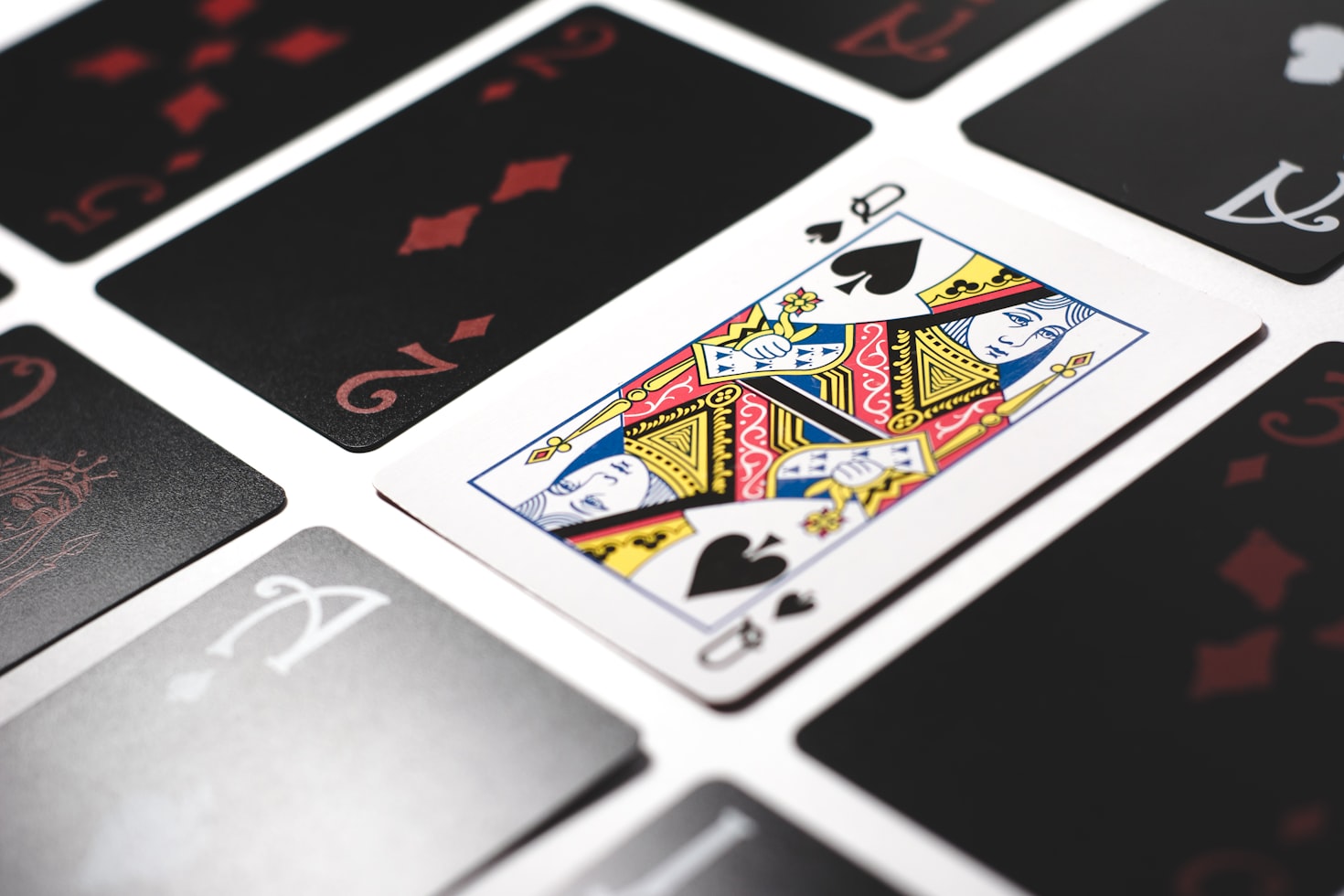
Ultimately, understanding how chance operates in various gambling formats can guide individuals in making informed decisions. Emphasizing the importance of luck in games like poker or blackjack requires acknowledging that while skill can have an impact, the role of luck remains significant across all gambling experiences. Players must balance their strategies with the understanding that, at its core, gambling is a game of chance, where unexpected outcomes can turn the tide of a game in an instant.
The Psychological Impact of Luck on Players
The psychological dimension of luck is vital when examining gambling behavior. Players often develop cognitive biases around luck that influence their betting decisions. For example, the “gambler’s fallacy” leads individuals to believe that past outcomes can affect future results, creating an illusion of control over inherently random events. This fallacy can encourage patterns of betting that are not grounded in reality, leading players to make decisions based on flawed reasoning rather than sound judgment.
Furthermore, the perception of luck can significantly impact a player’s emotional state. A player who believes they are “on a lucky streak” may continue to gamble, leading to a false sense of security. Conversely, those who feel unlucky may decide to quit prematurely, missing potential opportunities for future wins. Understanding these psychological factors can provide deeper insights into how luck affects gambling behavior and decision-making, ultimately shaping players’ experiences in both positive and negative ways.
Research has shown that varying belief systems about luck can determine long-term gambling habits. Some players might embrace a belief in good or bad luck, which can influence how they approach gaming sessions. For instance, rituals or superstitions developed over time may result in players attributing wins or losses to external factors beyond chance. Acknowledging the psychological impact of luck is crucial for players seeking to comprehend their gambling motivations and develop healthier approaches to betting.
The Role of Luck in Responsible Gambling
Responsible gambling is fundamentally intertwined with the understanding of luck and chance. Recognizing that luck plays a significant role in gambling can help individuals set realistic boundaries and limits. When players comprehend that outcomes are primarily determined by luck rather than skill, they can approach gambling with a healthier mindset and reduced expectations of winning consistently. This awareness can foster a more balanced approach, allowing players to enjoy the thrill of gaming without the burden of unrealistic hopes.

This awareness can also foster a sense of discipline in betting behavior. Gamblers who understand the unpredictability of luck are more likely to establish budgets and time limits, which are essential components of responsible gambling. By keeping emotions at bay and focusing on enjoyment rather than winning, players can reduce the risk of developing unhealthy gambling habits. This disciplined approach enables players to engage with gambling in a way that prioritizes entertainment over profit, ensuring a more sustainable experience.
Moreover, the acknowledgment of luck can promote greater resilience in the face of losses. Players who accept that losing is an inherent part of gambling are better equipped to handle setbacks and may be less likely to chase losses. Emphasizing responsible gambling principles allows players to enjoy the thrill of chance while minimizing potential negative consequences associated with gambling behavior. This resilience can lead to a more fulfilling experience, where enjoyment is derived from the game itself rather than solely from financial gain.
Concluding Thoughts on Luck in Gambling
In conclusion, luck is an essential facet of gambling that shapes player experiences and outcomes. Whether engaging in games of chance like slots and roulette or skill-based games like poker, the element of luck remains a constant factor influencing results. Understanding this aspect can cultivate a more informed approach to gambling, paving the way for richer, more responsible experiences. Recognizing that luck is a variable that can change with each round allows players to maintain a healthy perspective on their games.
As players navigate the landscape of chance, it is crucial to develop a clear understanding of how luck functions within various games. Emphasizing the role of chance not only helps players set realistic expectations but also fosters responsible gambling practices. This balanced approach can enhance the enjoyment of gambling while mitigating the risks involved. By focusing on the experience rather than solely on the outcomes, players can appreciate the thrill that comes with uncertainty.
Ultimately, recognizing the dual nature of luck in gambling—the exhilarating potential for unexpected wins contrasted with the reality of likely losses—can create a deeper appreciation for the games. By understanding the interplay of luck and chance, players can engage in gambling activities with a healthy sense of realism and well-rounded perspective. This understanding not only enhances their gaming experience but also equips them with the tools to navigate the world of gambling more successfully and responsibly.